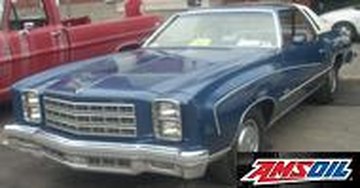
Engine Lubrication and Maintenance for the 1982 Chevrolet IMPALA 4.4L
Maintaining a vehicle from the early 1980s requires a proactive approach to fluid management and mechanical inspection. For owners of the 1982 Chevrolet IMPALA equipped with the 4.4L engine, consistent attention to lubrication systems is a fundamental aspect of long-term preservation. Because older engines often operate under different thermal and mechanical stresses than modern counterparts, understanding how to monitor and maintain your lubricant is essential for engine health.
Monitoring Fluid Integrity and Consumption
One of the most effective ways to gauge the condition of an engine is through regular observation of its fluids. For this specific application, monitoring the level and appearance of the engine oil can provide early indicators of how the engine is performing. It is helpful to check the oil level periodically using the dipstick to ensure that consumption levels remain within a normal range.
When inspecting the oil, look for changes in its physical properties. If the lubricant appears excessively dark or contains visible particulate matter, it may indicate that the interval between service changes should be reviewed. Furthermore, any unusual odors or significant changes in the texture of the fluid warrant closer investigation. While a change in appearance can sometimes be attributed to normal operating conditions, sudden shifts often suggest that the engine's internal environment is changing, and a professional inspection may be necessary to identify the cause.
Observing Potential Warning Signs
Identifying issues before they escalate into mechanical failures is a hallmark of disciplined maintenance. For the 1982 Chevrolet IMPALA, several indicators can suggest that the lubrication system requires attention. While symptoms can have many different origins, certain signs are worth noting during routine checks:
- Visible Seepage: Inspecting the area around the engine for any evidence of fluid leakage or seepage is a vital step. Even small amounts of oil appearing on the exterior of the engine block or near sealing surfaces can indicate that gaskets or seals are beginning to age.
- Changes in Engine Sound: While mechanical noises can stem from various components, any new or unusual sounds during startup or while idling should be investigated. These sounds may be related to how the engine is being lubricated under different operating conditions.
- Exhaust Observations: Changes in the color or consistency of exhaust gases can sometimes be associated with the way oil is interacting with the combustion process. If you notice unusual smoke, it is advisable to have the vehicle inspected to determine the source.
It is important to remember that these signs are not definitive diagnoses. A single symptom, such as a small leak or a change in sound, can be caused by several different factors. Using these observations as prompts for further inspection allows for more controlled and cost-effective maintenance.
Prioritizing Long-Term Engine Care
As vehicles age, the strategy for maintenance often shifts from simple part replacement to a more holistic view of the vehicle's condition. For an owner of a 1982 model, establishing a baseline of the engine's current state is highly beneficial. If you do not have a complete service history for the vehicle, your first priority should be to document its current operating condition through thorough inspections.
When managing maintenance priorities, focus on addressing active concerns first. This includes investigating any existing leaks or responding to any changes in how the engine behaves during daily use. Rather than following a rigid schedule based solely on the age of the vehicle, it is often more effective to base service decisions on the actual condition of the components and the documented history of repairs. Keeping a detailed log of every oil change, filter replacement, and fluid top-off will help you identify patterns—such as increasing oil consumption or frequent seepage—that might otherwise go unnoticed.
Inspecting Aging Components and Connections
Beyond the engine oil itself, several peripheral components should be part of a routine inspection routine. For an older vehicle, the integrity of various connections and auxiliary parts is critical to overall reliability. If equipped, inspect accessible drive belts for signs of wear such as cracking, glazing, or fraying. Similarly, if the vehicle is present with various rubber hoses, check them for signs of hardening, swelling, or deterioration.
Electrical integrity is another area where age can play a role. Inspecting electrical connections and wiring for corrosion or fraying can prevent unexpected issues. Additionally, ensuring that the air filtration system is clean and free of debris is essential for maintaining proper airflow into the engine. By combining these visual checks with regular fluid monitoring, you create a comprehensive maintenance profile that supports the continued operation of the 4.4L engine.
The Role of Lubrication in Engine Longevity
Engine oil performs several vital roles that extend far beyond simple lubrication. It acts as a medium for heat management, helping to carry thermal energy away from high-friction areas within the engine. Furthermore, modern lubricant formulations are designed with advanced additives that assist in deposit control, helping to prevent the buildup of sludge and other contaminants that can interfere with mechanical movement.
Effective lubrication also provides protection during the critical moments of a cold start, where components must be quickly coated to minimize friction. By maintaining clean and fresh oil, you ensure that these protective qualities remain at their peak, which is essential for reducing wear on internal engine components over many years of service.
Practical Guidance for Buying Engine Oil for your 1982 Chevrolet IMPALA 4.4L
When it is time to replenish your engine's lubricant, the most important step is to ensure that the product you select matches the specific requirements of your engine. For this 1982 Chevrolet IMPALA 4.4L, do not rely on general automotive knowledge or assumptions based on the vehicle's age to determine which oil to use. Instead, match the engine oil to the application-specific viscosity information already displayed on this webpage.
Before making a purchase, carefully review the product labeling to confirm it meets the appropriate quality standards and certifications. Depending on your specific needs and the current condition of your engine, you may encounter various options, including conventional oils, synthetic blends, or full synthetic formulations. Some high-mileage oil formulations also contain additives intended for use in aging engines, such as seal-conditioning agents. Always prioritize the viscosity and specification details provided in the application information above to ensure a correct match for your 4.4L engine.